Plural Raises $1B
Inside Plural’s €1 billion raise, and why co-founder Taavet Hinrikus thinks most of SaaS is gone.


Subscribe to stay ahead of technology trends. Never miss future editions.

Plural co-founder Taavet Hinrikus on raising €1 billion & why most of SaaS is gone
Right now, rounds are getting done in days, sometimes overnight, and founders are treating the raise as the win. Our latest guest has been on both sides of the table, and he isn’t a fan. As he puts it:
“It’s harder to get rid of your funders than it is to end a marriage.”
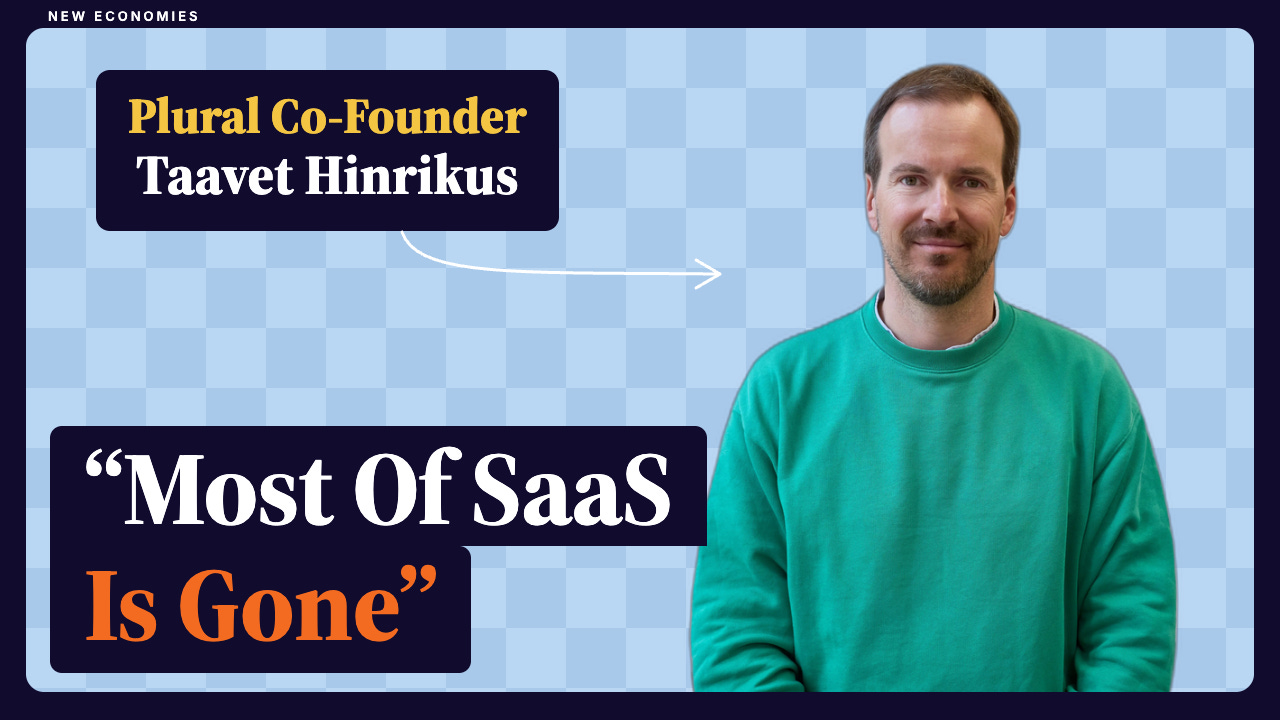
Meet Taavet Hinrikus, co-founder and partner at Plural, which has just raised €1 billion to back Europe’s most ambitious founders. He joined us to explain why Plural raised now, why its partners write a personal check on every deal, and why he believes most of SaaS is gone.
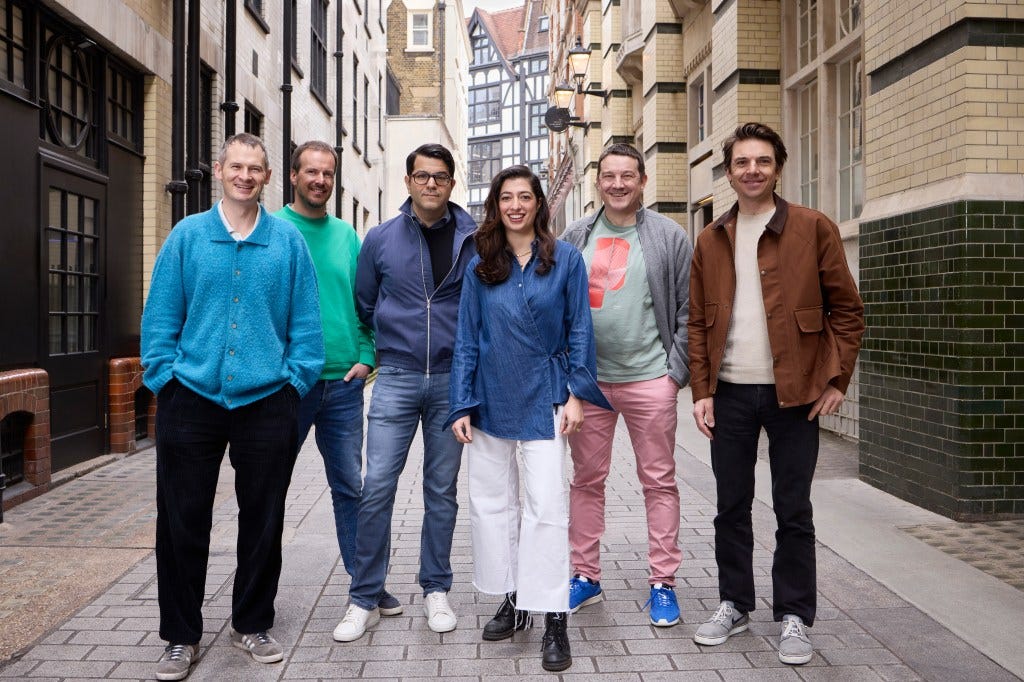
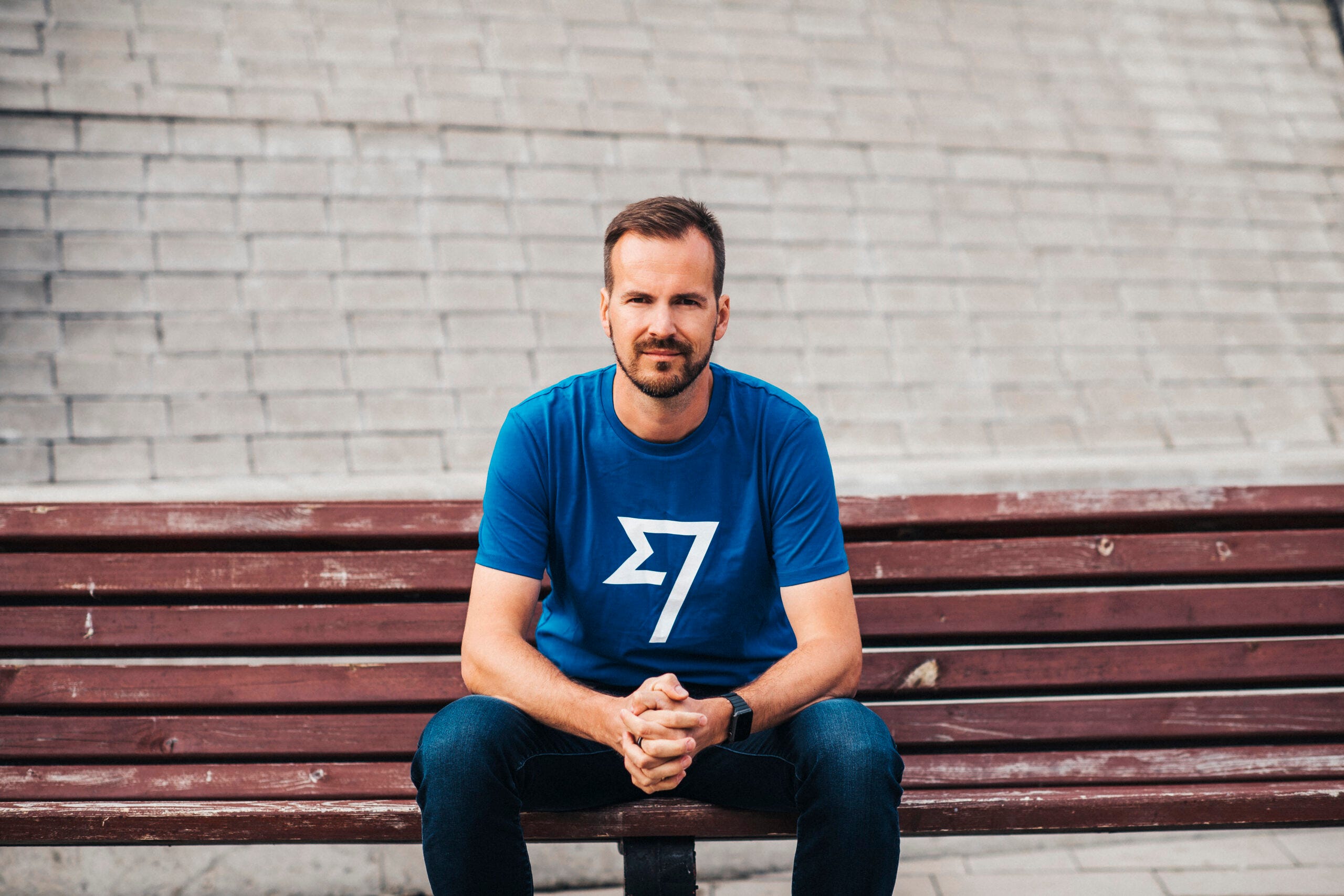
You might not know this, but before venture Taavet was an operator. He was Skype’s first employee in 2002 and went on to become its Director of Strategy. In 2010 he co-founded TransferWise, now Wise, which went public in 2021 in Europe’s first direct listing. He launched Plural in 2022 with Sten Tamkivi, Ian Hogarth and Khaled Helioui, starting with a €250 million fund. The firm now has six equal partners and was an early backer of Helsing and Proxima Fusion. Two-thirds of the new €1 billion goes into Plural’s third early-stage fund, and the rest goes into a new opportunities fund for follow-on rounds in its best companies.
Taavet takes us inside how Plural actually makes decisions. There’s no founder pitch to the partnership, no consensus vote, and every partner puts in their own money, because “we’re never playing with the house money.”
In our episode, we learn:
Why Plural raised €1 billion now. Taavet explains how the firm sized the fund from the bottom up, why bigger early-stage rounds make sense when founders are solving bigger problems, and why there’s “a decent chance” Europe’s first trillion-dollar tech company has already been founded. He also explains why he thinks it will come from AI or energy.
Why rounds done overnight are foolish. Taavet calls them a “shotgun wedding” and explains why founders mix up fundraising with success. He also covers why companies end up orphaned by their investors, why reference calls are the basics of fundraising, and why the race for ever-higher valuations doesn’t usually end well.
How Plural works on the inside. Partners are the biggest investors in the fund and write a personal check on every deal. Founders don’t pitch an investment committee. Instead the sponsoring partner writes a memo and makes the final call. Taavet explains why early-stage investing shouldn’t run on consensus, and why each partner does only two or three deals a year.
Why most of SaaS is gone. The easy “put a dollar in, get $2 out” maths that powered SaaS no longer works, as AI makes software undifferentiated and companies build more in-house. Taavet explains why Bending Spoons is giving old SaaS companies a new lease of life, why AI chips and defense were the surprise categories, and why deep tech is no longer slower than software.
Europe vs. the US, and who wins robotics. Taavet argues European founders are just as good as American ones, but Europe lacks early adopters and founders are “too humble” to sell themselves. He explains why half of Plural’s recent investments are repeat founders and why general-purpose humanoids are overhyped compared with special-purpose robots like Monumental’s bricklayers. He also covers whether Europe can ever build robots as cheaply as China.
Watch or listen now across YouTube, Apple Podcasts, Spotify, and X
Download the transcript 👇

Timestamps
(0:00) Meet Taavet Hinrikus
(2:53) Plural raises $1B
(3:49) Why raise now
(4:35) Why Taavet started a fund
(5:34) Europe’s first trillion-dollar company
(6:22) Why overnight rounds are foolish
(9:56) Backing competing companies
(10:42) GPs investing in portfolio companies
(13:33) Inside Plural
(15:20) How Plural allocates capital to GPs
(16:45) Do valuations matter?
(18:18) The surprising category
(19:51) Why most SaaS is gone
(22:03) When SaaS became doomed
(23:45) First-time vs. repeat founders
(26:07) Europe vs. US founders
(29:25) What European founders should do more
(34:12) The fintech scene
(36:28) What Taavet would build outside VC
(37:15) What China and the US do well
(38:36) Overhyped categories
(42:12) Who wins robotics?
(43:38) Why Taavet loves venture
Inside Plural: Taavet Hinrikus on Raising €1 Billion & Why Most of SaaS Is Gone
Why Plural Raised €1 Billion
Plural has just closed its third fund, and it’s the biggest yet.
“It all comes down to thinking about this bottom-up.”
For Taavet, the raise is business as usual. Plural has been investing for almost five years, and raising funds is part of the natural cycle. What has changed is the size of the problems founders are taking on. Early-stage rounds are getting bigger, and Taavet thinks that’s justified when founders are trying to solve bigger and bigger problems. So the firm sized the fund to match the opportunities it was seeing. Two-thirds of the €1 billion goes into Plural’s third early-stage fund, and the rest into a new opportunities fund for follow-on rounds in its best companies.
The prize is a company Europe has never had.
“There’s a decent chance this company has been founded by now.”
He refers to Europe’s first trillion-dollar tech company, and he expects it to come from AI or energy.

Why Overnight Rounds Are Foolish
Rounds that close in days don’t impress Taavet.
“I am not a huge fan of rounds that get done overnight.”
He calls them a shotgun wedding. When you raise money, you’re taking on partners for the long term, and “it’s harder to get rid of your funders than it is to end a marriage.” At the early stage you’ll work together for 10 years, so he thinks founders need at least a short dating phase.
Who’s to blame? Partly market forces, but also founders who confuse fundraising with success. “We need to celebrate product and customers way more than we celebrate fundraising.”
Misalignment usually starts with what a founder promised and hasn’t delivered. Taavet has seen companies orphaned by their investors, and he says the fix is basic homework. Do reference calls, and find out how an investor behaves when things don’t go well.
Do Valuations Still Matter?
“I do think that valuations always matter.”
Most venture investments don’t return much, and a minority return the fund. Even so, Taavet says the race for ever-higher early valuations doesn’t usually end well. He thinks we’re in a frothier part of the cycle, though he admits calling it is extremely hard.
He does accept one argument for bigger rounds: outcomes are much larger than they used to be, and you can’t build a deep tech company on the few million that once worked for software. But he calls it “a very bad justification” for pushing every round and valuation up without end.
Skin in the Game
Plural partners don’t just invest the fund’s money. They write a personal check on every deal.
“We’re never playing with the house money.”
The partners are the biggest investors in the fund. Taavet says there’s something symbolic about wiring money from your own account, because the partners have built companies themselves and know how hard the journey is. The size of the check matters less than whether it feels meaningful to the partner: “the exact number of zeros is probably less relevant.”
Decisions are made differently too. Founders don’t pitch the partnership. The sponsoring partner spends time with the founder, writes a memo, and the rest of the partners debate it in an internal meeting that starts with two questions: why does this company matter, and how could it be 100x bigger? After that, the call belongs to the sponsoring partner.
“We don’t think that early-stage investments are best made as a consensus.”
There are no set budgets either. Each partner does only two or three deals a year, and the system runs on trust and a high bar. Founders still usually meet several partners before Plural commits, so both sides get to know each other.
Why Most of SaaS Is Gone
“I do believe that most of SaaS is gone.”
SaaS used to be predictable. You put a dollar in and got $2 out, the CAC to LTV maths fitted in a spreadsheet, and you could build a company for almost every vertical, from CRM to HR to finance. AI has made much of that software undifferentiated and hard to defend, and many companies will now build it in-house. Taavet doesn’t think a CRM company has much room to pivot.
He’s glad to see Bending Spoons buying these companies and giving them a new lease of life. And when they’re acquired, many of their founders go on to start something new.


The Surprise Categories
Five years ago, nobody expected European startups to be building new types of chips or equipment for chip fabs. Taavet calls AI infrastructure the biggest surprise.
The second is defense. Plural picked it as a focus from day one, because “seeing how Europe is depending on other countries, it felt kind of awkward.” Few people expected tech and venture to be this busy in defense, but Taavet calls it a sign of the times.
Deep Tech Isn’t Slower
“I think it’s unfair to say that software companies are so much faster.”
Taavet gives two reasons. First, the best founders are subject matter experts who can iterate quickly. Second, AI now handles chip design and simulations that once meant building, deploying and measuring in the real world. He points to Helsing, recently valued at $18 billion, and Proxima Fusion, which raised €411 million this year. Software may move faster with AI, but its opportunities are far smaller.
Why Repeat Founders Dream Bigger
About half of the founders Plural has backed in the past couple of years are repeat founders.
“They just dare to dream a lot bigger.”
They have confidence in their ability to execute, and they have probably made some money. Torsten Reil built and sold a gaming company (NaturalMotion) and effectively retired, then couldn’t sleep thinking about the state of defense in Europe. He started Helsing, which Taavet calls the first neo-prime defense company. Harvey Hodd sold two e-commerce companies and then went looking for something significant to spend 15 or 20 years on. That became Rivan, which uses solar energy to make synthetic natural gas that can be piped into the gas grid.
Europe vs. the US
“I don’t believe for a second if someone says the founder quality in Europe is worse than the US.”
Taavet thinks early-stage capital in Europe is largely solved. What Europe lacks is early adopters. The market is fragmented and smaller businesses are slower to buy, so a European startup’s first customers are often in the US. American founders are also better at selling, both their products and themselves. Europeans lack “the bullishness of going and kicking the door open with your foot.”
Sales can be learned, he says, and more European success stories will give founders more role models. Seven Plural portfolio companies have raised rounds of $100 million or more this year.
What would he change? Government procurement. Defense is driven by what governments buy, and Taavet would like to see far more public demand for AI services and compute. He calls the UK’s Sovereign AI fund a good step, but one Europe could “easily 10x.”
Lessons from the Fintech Wave
When TransferWise, Revolut, Monzo, Monese and Starling launched, people thought they were crazy. Nearly all of them are still around, but Taavet says they have ended up looking alike.
“They all end up being pretty generic banking service providers.”
Each started in a niche, and growing big meant becoming more like a bank, differentiated mainly by geography or customer segment. Incumbents have caught up, and regulation slows everyone down. The one that impresses him most, apart from Wise, is Revolut, for how fast it has expanded globally.
Would he go back to fintech? “Definitely not.” Opportunities come in waves: e-commerce in the 2000s, then fintech and SaaS in the 2010s. Today, he says, the biggest opportunities are where the digital world meets the physical world.
Europe’s Sovereignty Opportunity
Taavet chooses to see sovereignty as an opportunity rather than a threat.
“We need to be in charge of our energy supply. We need to be in charge of our compute supply. We need to be in charge of our defense.”
The hard part is manufacturing, where Europe has to find ways to compete with China. He’s encouraged by how many companies in Europe and the US are rebuilding manufacturing, which he thinks will matter more as Europe tries to become independent in critical industries.
Who Wins Robotics?
Taavet is bullish on robotics but thinks one corner is overhyped: general-purpose robots and humanoids.
“I think it’s going to take a little bit longer.”
He expects special-purpose robots to win in the near to medium term. His example is Monumental from the Netherlands, whose bricklaying robots already build a noticeable share of new Dutch housing. Bricklaying is a back-breaking job nobody wants, and a robot can do it better. He also points to Upside in agriculture, Starship in sidewalk delivery and Sunrise in robotic manufacturing, and expects the number of robots like these to grow by orders of magnitude.
Can Europe compete with China? “Can we build them as cheap as China? Not today.” He thinks it could, with more investment, and AI-driven design and simulation are already shortening the timelines.
Why He Loves Venture
Taavet has been an operator, a founder and now an investor. He doesn’t pick a favourite, since the grass is always greener on the other side.
“I think I’m a better investor thanks to having been on the founding side.”
Today he’s using that experience to help accelerate Europe and, he hopes, to have GDP-level impact on the continent.
Where to connect with us
Follow Ollie on X: https://x.com/ollieforsyth
Follow Taavet on X: https://x.com/taavet
Visit Plural: https://www.pluralplatform.com
Previous episodes include


Our partners:
Prelint: Keeps every decision reviewed, recorded, and traceable. Head over to Prelint to learn more.
VCX: The public ticker for private tech. Head over to GetVCX.com to learn more.
Discussion about this video