Menlo Ventures
Inside Menlo Ventures’ decision to bet the firm on Anthropic, and why partner Amy Wu Martin thinks consumer AI is the next big opportunity.


Subscribe to stay ahead of technology trends. Never miss future editions.

Menlo Ventures partner Amy Wu Martin on betting the firm on Anthropic & why consumer AI is back
Right now, $100 million rounds are getting done in a week, often with barely any diligence and sometimes before there’s a product. Our latest guest has seen this before, in 2021, and she thinks a correction is coming. As she puts it:
“The water recedes and we’ll see who’s still wearing pants.”
Meet Amy Wu Martin, partner at Menlo Ventures, where she co-leads the consumer practice. She joined us to explain why Menlo went all in on AI years before everyone else, why founders now pick the partner rather than the firm, and why she thinks consumer is back after years of people calling it dead.
You might not know this, but before venture Amy was an operator. She was SVP and CFO of Discovery’s $2 billion Global Digital and Sports unit, and CFO of Discovery Asia-Pacific in Singapore. At Lightspeed she invested in Epic Games, and she joined Menlo in 2023. Menlo has backed Gilead, Uber, Roku and Siri. It turned 50 this year and marked the anniversary with $3 billion in new capital for AI. More than 90% of the firm’s recent investments are in AI.
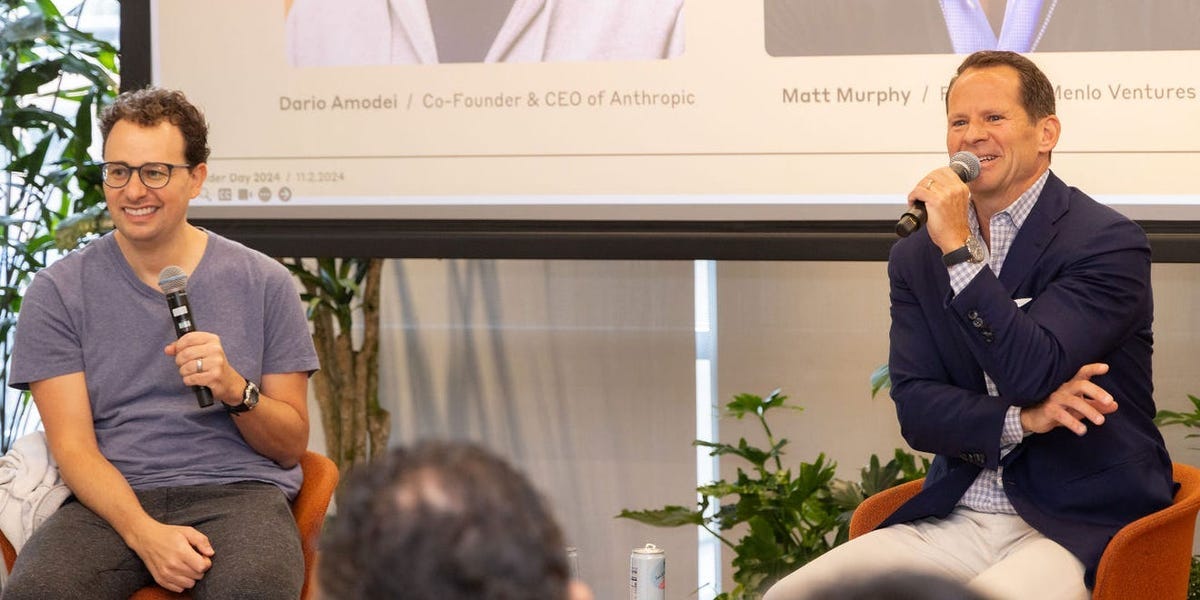
Menlo is also one of Anthropic’s biggest backers. Amy takes us inside the partnership conversation behind the largest check in the firm’s history, a bet so big that the team openly said “if we’re wrong, then it might be the end of Menlo.”
In our episode, we learn:
Why Menlo bet the firm on Anthropic. Amy explains how Matt Murphy’s early relationship with the team turned into a firm-wide decision to back one frontier lab. She also explains why trust with founders and LPs is earned over time, and why “in our wildest dreams we couldn’t have even imagined” how it has played out.
Why the market is overheated. Amy compares today’s market to 2021, with seed rounds of up to $20 million, raises every six months and founders taking secondaries. She explains why a bad vintage takes years to show up in venture, and why physical AI could be an even bigger cycle than this one.
Why founders now pick the partner, not the firm. Menlo has around 10 investment partners, a shared vote on every deal and equal economics, so “when my partner wins, I win.” Amy explains why each partner makes only about two core investments a year, why personal brand matters more than ever, and why choosing an investor is “a marriage of like 10 years.”
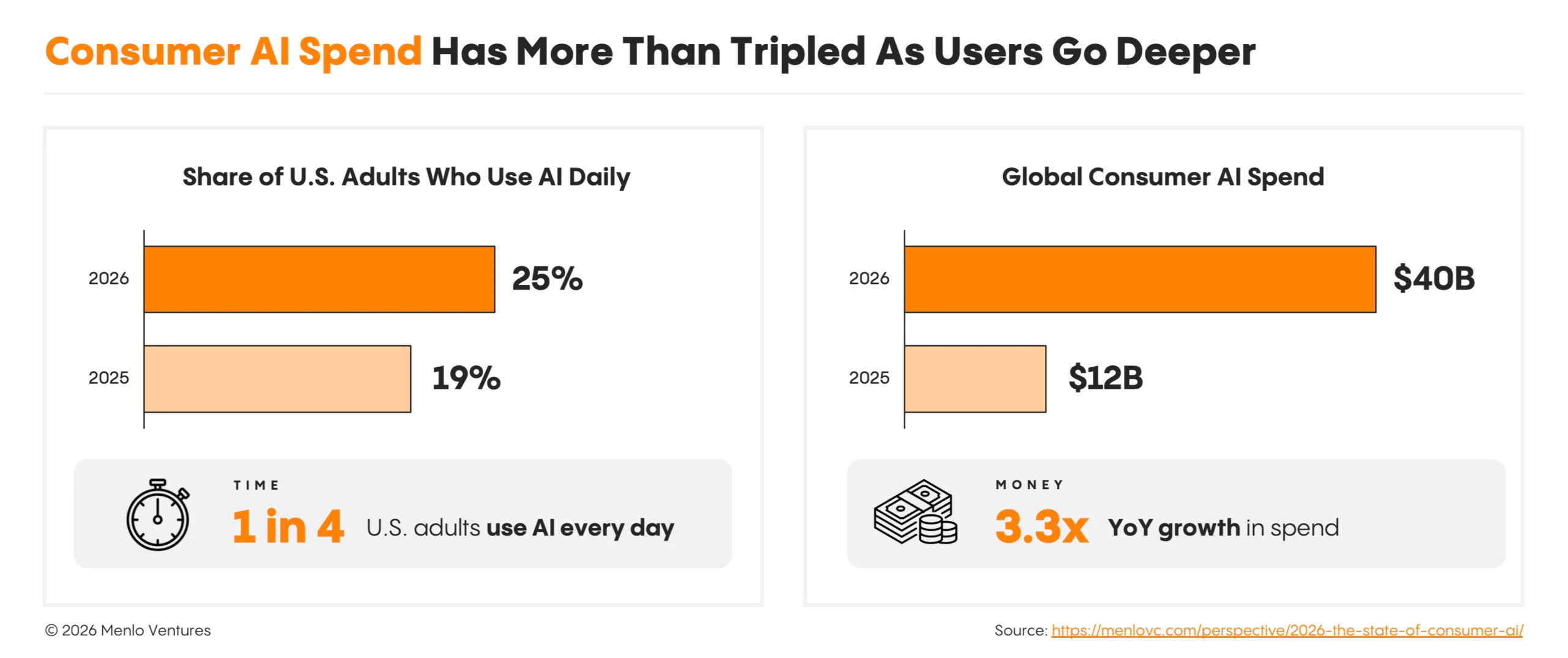
What the 2026 State of Consumer AI report found. Consumer AI spend tripled from $12 billion to $40 billion, and the share of users who pay jumped from about 3% to 55%. Meanwhile a third of Americans are still AI holdouts. Amy explains why parents and Gen Z are the power users, why half of AI users have made money with it, and why solopreneurs are one of the fastest-growing trends in consumer.
The three breakthroughs to watch next. These are personal agents as a new consumer interface, frontier models that can finally build triple-A games, and real-time video generation. Amy explains why horizontal platforms will beat single-purpose agents, why Amazon won’t give up the customer without a fight, and why agentic commerce could become a huge market even with a small share of retail.
Watch or listen now across YouTube, Apple Podcasts, Spotify, and X
Download the transcript 👇

Timestamps
(0:00) Meet Amy Wu Martin
(2:22) Menlo at 50
(4:06) Inside Menlo Ventures
(6:50) Supporting struggling companies
(8:30) Why personality matters in VC
(10:13) Who holds the power: founders or investors?
(10:45) Menlo’s all-in AI bet
(13:19) How Menlo underwrites deals
(15:58) Where did due diligence go?
(18:25) When does the market crack?
(19:54) Raising every 6 months
(21:19) Backing Higgsfield
(22:49) Backing Anthropic
(25:57) What AI IPOs will change
(28:29) Is consumer back?
(33:49) How many AI subscriptions per household?
(37:35) What makes personal agents special
(42:10) Big ideas in agentic commerce
(44:34) Why Amazon isn’t integrating with Muse
(45:36) Was Muse essential for Meta?
(46:51) The next big breakthroughs
(51:52) What Amy would build
Inside Menlo Ventures: Amy Wu Martin on Betting the Firm on Anthropic & the Return of Consumer

Betting the Firm on Anthropic
Menlo’s biggest call was also its riskiest.
“We literally all had a conversation around, okay, if we’re wrong, then it might be the end of Menlo.”
It started with a relationship. Amy’s partner Matt Murphy had already invested in Anthropic and spent time with the team, getting to know how they thought and how seriously they took safety. He then brought the whole partnership round to one idea: Menlo needed to make a very large bet on a leading frontier model, because the frontier layer was where the outsized value would be created. Anthropic became the largest check in the firm’s history, and Menlo’s LPs backed it.
For Amy, the lesson is about trust: “Trust is something that is earned over time.” The founders, the LPs and the firm all had to be aligned for the bet to happen. How has it turned out?
“In our wildest dreams we couldn’t have even imagined how the world would have gone since then.”
Why the Market Is Overheated
Amy invested through 2021 at her previous firm Lightspeed, and today feels familiar.
“I do think the market is extremely heated right now.”
She sees $100 million rounds closing in a week, founders taking $50 million of secondary, and rounds coming every six months instead of every 12 to 18. In a bull market, every portfolio company seems to be going up and to the right. When the market turns, buyers slow down, growth slows, and “the water recedes and we’ll see who’s still wearing pants.”
It won’t all collapse at once, she says. Venture funds are raised over long periods, so a bad vintage can take years to implode. And she thinks the next wave, physical AI, could be even bigger than this one.
How Investors Diligence in Three Days
Speed has changed how firms do diligence.
If a competitor can reach a term sheet in three days, nobody has two weeks to spare. Menlo, like its peers, now runs a shared Cowork instance that pulls together external data tools and its own internal tooling, so much of the outside-in diligence is done before the first meeting with a founder.
But nothing replaces time. Meeting a founder every month for six months shows you whether they deliver what they say they will. That is why Menlo tries to build relationships as early as possible, and why founders in a fast round still tend to pick an investor they already know.
Founders Pick the Partner, Not the Firm
In this market, founders hold the power.
“The founder isn’t just picking the firm. The founder is picking the partner these days.”
A great firm gets a look at the deal. Winning it comes down to the individual partner, which is why “personal brand, personal reputation matters more than ever.” Amy points to Andreessen Horowitz, which has turned into a media platform in its own right. For founders the stakes are high: choosing an investor is “a marriage of like 10 years.”
Inside Menlo’s Culture
Amy joined Menlo in 2023, expecting to find skeletons in the closet. She didn’t find any.
Venture is full of big personalities and solo dealmakers. Menlo is built differently, and it starts with economics. “When my partner wins, I win along with them, not just spiritually, but also economically.” There are about 10 investment partners, the whole team votes on every deal, and each partner makes only about two core investments a year.
That concentration matters most when a company is struggling. At large funds, Amy says, there is a tale of two worlds: the 10 or 20 positions that move the fund get the firm’s attention, and everyone else gets very little. At Menlo every position matters, so when a company is in trouble the whole firm works out how to help, whether that means emergency capital or a strategic exit.
Going All In on AI
Menlo committed to AI years before it was consensus.
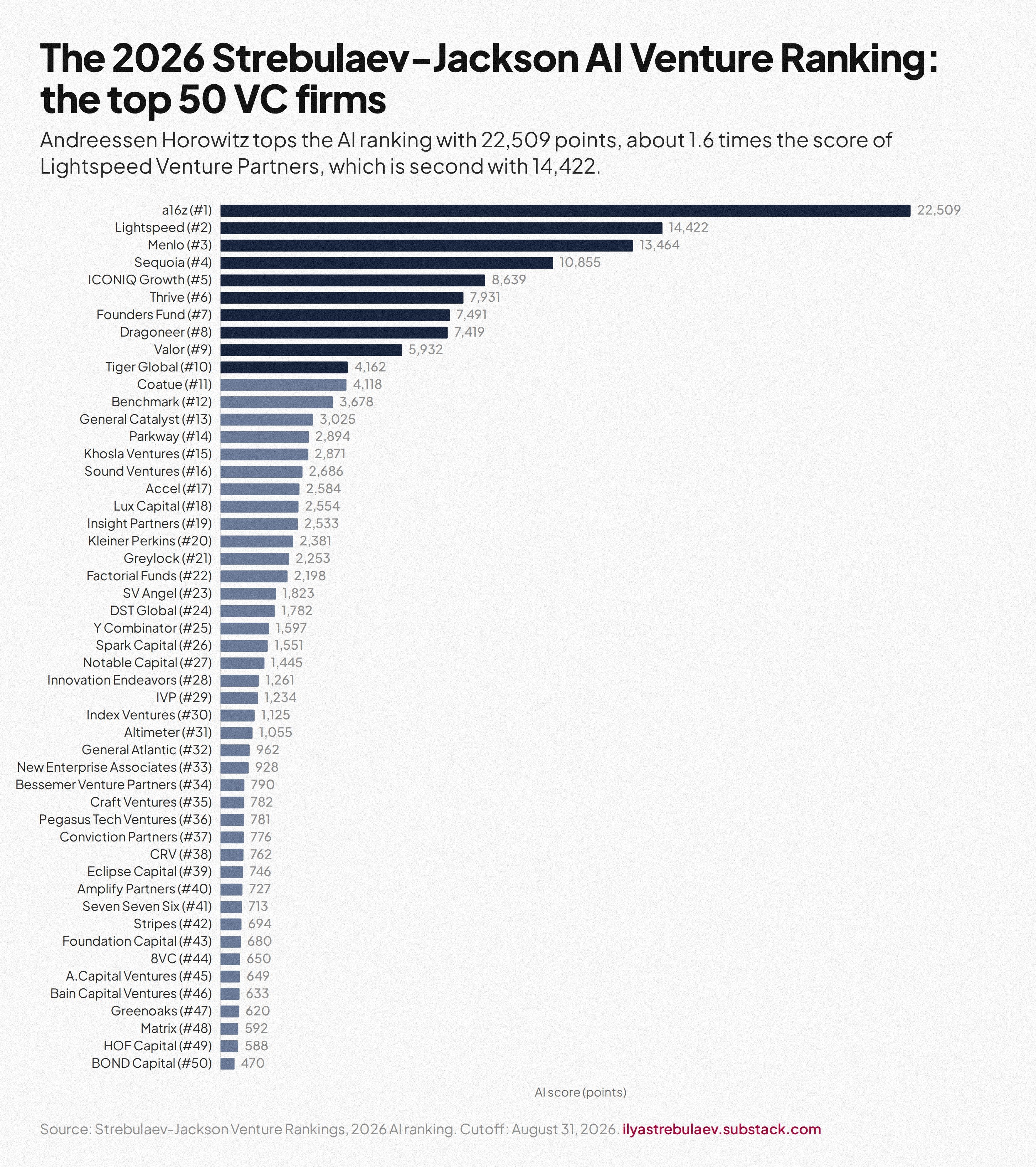
More than 90% of the firm’s investments are now in AI, and it ranked third in Ilya Strebulaev’s recent list of top VC firms. Going all in meant that every deal needed a technical, AI-driven reason to exist, and anything else was an exception.
The strategy is a barbell. Menlo goes in as early as possible, because AI companies get expensive by Series A. It then comes back in at the growth stage once the winners are clear, as it did with Fireworks, Modal, Suno, Lovable and Legora. At the seed stage it led the round in Higgsfield, which Amy says went from launch to a billion-dollar revenue run rate in 18 months. What won her over was the founder, Alex. References from Snap described him as “an absolute killer.”
The State of Consumer AI
Two or three years ago, people said consumer was dead. Menlo’s 2026 report says otherwise.
Global consumer spend on AI tripled in a year, from $12 billion to $40 billion. A quarter of US adults now use AI every day. Paying users jumped from about 3% of AI users to 55%, and about half of AI users say they have made money with it, many of them solopreneurs running online businesses with tools like Lovable and Higgsfield.
The surprise was the holdouts. About a third of Americans still haven’t used AI, the same share as last year. They skew older, but they come from every age group. Many distrust AI, worry about privacy, or would rather deal with a human.
“It makes me feel like we remain in a bubble.”
At the other end are the power users. Parents are almost twice as likely to use AI daily, because “they’ve got more money than time.” And Gen Z has overtaken millennials. After speaking at Harvard last month, Amy came away struck by how fluent young people are with AI.
Lessons from the Streaming Wars
Amy’s view of where consumer AI goes next comes from her time at Discovery.
Discovery launched separate streaming apps for different interests, from cars to the paranormal, and learned that consumers didn’t want them. “The consumer wants a horizontal platform with the most content.” The result was Discovery GO, then the merger with HBO.
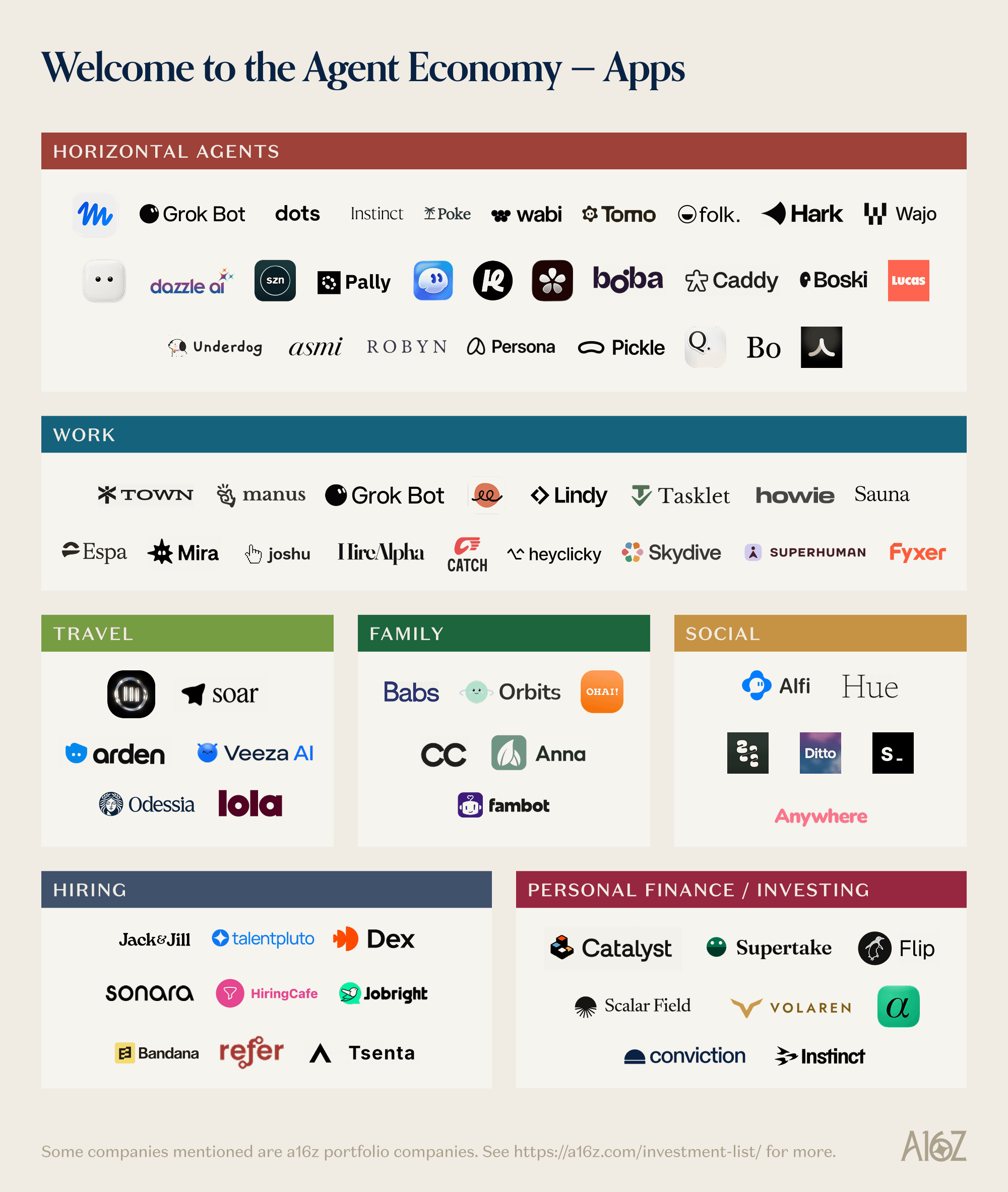
She expects the same pattern with AI. People won’t download a separate agent for travel, another for shopping and another for scheduling. Horizontal personal agents will win.
Agents and Agentic Commerce
Personal agents had their breakthrough moment when execution finally met good UX. Amy uses one about a dozen times a day, including to plan her son’s first birthday party.
Agents still fall down on the hard tasks, like paying bills and managing medical appointments, and on privacy. “I’m terrified of these agents finding my Social Security information.” She expects agent identity, meaning proof that you authorised an agent, to become a big issue.
Commerce is where she sees the biggest prize. US retail is around $7 trillion, and online is still under 20% of it, so even a small share for agentic commerce would be a huge market. The giants won’t make it easy. Amazon makes a lot of money from advertising, so it needs eyeballs on its site, and “Amazon’s not going to give that up without a fight.” Meta, meanwhile, has launched what Amy calls its most important product in years.
Two More Breakthroughs: Games and Video
Amy names two more breakthroughs, both driven by new frontier models.
Games: until recently, AI could make demos and hyper-casual games, but not a complex triple-A game. Models like Opus 5.5 can now study a game and turn it into code. “I have my gaming friends saying give me a period of time and I can recreate something like Diablo.”
Video: Seedance from ByteDance has blurred the line between real and AI-generated footage. Newer models have cut the cost and latency so far that video can be generated in real time. That opens up personalised short-form dramas, which change direction while you watch, and AI-generated creators selling through live commerce.
What She Would Build
If she weren’t an investor, Amy would build a consumer company.
“Consumer outcomes are some of the largest outcomes ever.”
Her picks would be next-generation consumer video, gaming or commerce.
Where to connect with us
Follow Ollie on X: https://x.com/ollieforsyth
Follow Amy on X: https://x.com/amywumartin
Visit Menlo Ventures: https://menlovc.com
Previous episodes include



Our partners:
Prelint: Keeps every decision reviewed, recorded, and traceable. Head over to Prelint to learn more.
VCX: The public ticker for private tech. Head over to GetVCX.com to learn more.
Discussion about this video